Lanai Screen Enclosure Repair in Tampa Bay
A lanai is Florida's outdoor living room — and a screen enclosure is what makes it usable year-round. We repair existing lanai enclosures and build new ones over patios across Tampa Bay, from simple rescreens to full roof and frame work.
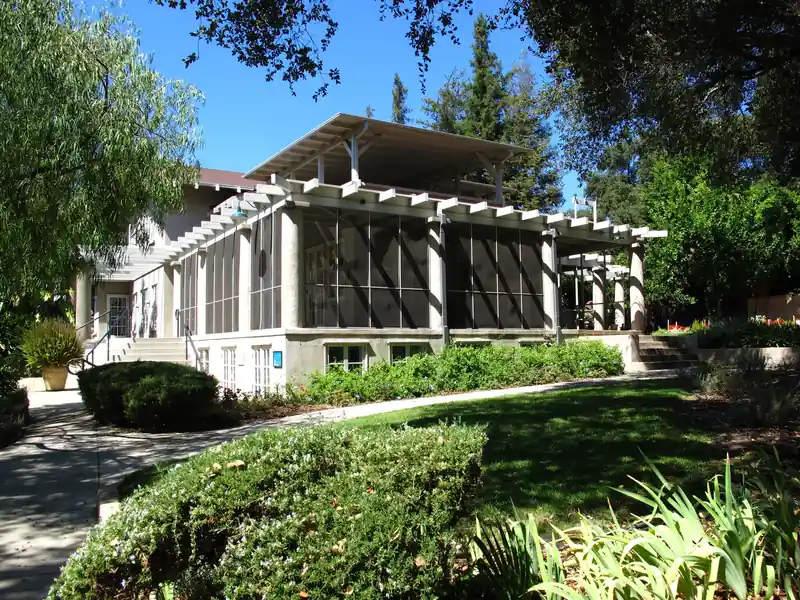
What a Lanai Enclosure Is
In Florida, a lanai is a covered patio — usually a roofed area attached to the house, often sitting under the main roof overhang. A lanai screen enclosure wraps that space in aluminum framing and screen, turning an open patio into a bug-free, shaded outdoor room. Unlike a pool cage, which is typically a tall freestanding structure over the pool, a lanai enclosure is lower, ties directly into the house wall and roof, and often includes solid roof panels instead of an all-screen top. It's where Tampa Bay families put the outdoor furniture, the grill, and the morning coffee setup.
Roof Types: Mansard, Gable, and Flat Pan
The roof defines the look, cost, and headroom of a lanai enclosure. Here are the three styles we see and build across Tampa Bay:
Mansard roof
A sloped, multi-panel roof — usually solid insulated panels on the slope with screen below. Mansard is the most common lanai roof in Tampa Bay subdivisions: it sheds water well, looks finished from the street, and keeps the interior noticeably cooler than an all-screen top.
Gable roof
A peaked roof that continues the house's roofline out over the lanai. Gable gives the most headroom and the most "room-like" feel, and it matches homes with pitched roofs. It's the premium option — more framing, more engineering, higher cost.
Flat pan roof
A simple flat system of solid roof panels — the most economical choice. Flat pan works well for smaller lanais and budget-conscious builds. Drainage detailing matters more with flat roofs, so proper slope and gutter work are critical.
Common Lanai Enclosure Repairs
Roof panel replacement
Solid roof panels take the worst of Florida weather: UV bakes them, wind lifts edges, and driving rain finds every weak seam. We replace damaged, leaking, or wind-torn roof panels and reseal the seams where the enclosure meets the house.
Kick plates and lower panels
The bottom 16–24 inches of a lanai wall takes all the abuse — dogs scratching at the door, kids kicking balls, weed whackers from the lawn crew. We replace shredded lower screens with pet-resistant mesh or solid kick plates that stand up to real life.
Doors
Lanai doors get used dozens of times a day. We rebuild them: new closers, latches, hinges, and pet-resistant lowers — so they close and latch every time instead of hanging open and inviting every mosquito in the neighborhood.
Rescreening sun-damaged walls
West-facing lanai walls cook in the afternoon sun and the screen goes brittle years before the shaded walls. We rescreen individual walls or the full enclosure — see our screen replacement page for mesh options including 20x20 no-see-um.
Gutters, flashing, and house tie-in
Where the enclosure meets the house is where leaks start. We repair gutters, flashing, and sealant at the attachment point — the unglamorous work that keeps water out of your lanai and off your patio slab.
New Lanai Enclosure Builds
Have an open patio you can't use half the year because of bugs and heat? We build new screen enclosures over existing patios. The process:
- Site evaluation. We check your slab (size, condition, drainage slope), the house attachment point, and roof tie-in options.
- Design and quote. Roof style, dimensions, door placement, mesh type — quoted in writing with a clear scope.
- Permits and HOA. New enclosures require building permits in most Tampa Bay municipalities. We provide the drawings and product specs the permit office and your HOA need.
- Build. Frame, roof panels, screens, doors, gutters — built to Florida wind-load requirements for our zone.
HOA Considerations
Most Tampa Bay HOAs require architectural approval before you build a new enclosure — and some require it for major modifications to existing ones. Typical HOA requirements cover frame color (usually restricted to white or bronze to match the community), roof style, and placement relative to setbacks. Check your HOA's architectural review guidelines before scheduling work. We're happy to provide the specs, colors, and drawings your application needs — just ask when you call for the quote.
The Bug and Pest Control Benefit
This is the real reason lanais get enclosed: mosquitoes, no-see-ums, palmetto bugs, and lizards. A properly built and maintained enclosure with intact screens and latching doors keeps them all out. Standard 18x14 mesh handles mosquitoes and flies; 20x20 no-see-um mesh adds protection against the tiny biting midges that swarm near water at dusk. But the enclosure only works as a system — one torn kick plate or a door that won't latch undoes the whole thing. That's why prompt repair of small damage matters more than most homeowners think.
Related Services
- Pool Cage Repair — our hub: targeted repairs and the repair-vs-rescreen-vs-rebuild guide.
- Screen Replacement — mesh options and rescreen pricing for lanai walls.
- Cage Painting & Restoration — restore a chalked lanai frame while rescreening.
- Storm Damage Repair — wind-damaged roof panels and frames after tropical weather.
Service Areas
We repair and build lanai enclosures across Tampa Bay: Tampa, Clearwater, St. Petersburg, Brandon, and Riverview, FL.
Get a Free Lanai Enclosure Quote
Repairs or a brand-new build — we'll evaluate your lanai, talk through roof and mesh options, and leave you a written quote with permit and HOA documentation included.
Frequently Asked Questions
A lanai is a covered patio — in Florida, usually a roofed area attached to the house, often under the main roof overhang. A lanai screen enclosure wraps that space in aluminum framing and screen, turning it into a bug-free outdoor room. Unlike a pool cage, which is typically a tall freestanding structure over the pool, a lanai enclosure is lower and ties directly into the house.
The three common styles in Tampa Bay are mansard (a sloped, multi-panel roof that sheds water well and looks finished), gable (a peaked roof that matches the house's roofline and gives the most headroom), and flat pan (a simple flat roof panel system — the most economical). We repair and build all three.
In most cases, yes. We evaluate your patio slab, the house attachment point, and drainage, then design an enclosure to fit. New lanai builds require permits in most Tampa Bay municipalities, and HOA approval is common — we provide the drawings and documentation those processes need.
Most Tampa Bay HOAs require approval for new enclosures and sometimes for major modifications to existing ones. Requirements typically cover color (usually white or bronze to match the community), roof style, and setback. Check your HOA's architectural guidelines before scheduling work — we can provide specs and drawings for your application.
Roof panel replacement (leaking or wind-damaged panels), kick plate screen replacement (the lower panels pets and kids destroy), door rebuilds, rescreening sun-damaged walls, and replacing corroded fasteners. We also handle gutter and flashing issues where the enclosure meets the house.
Yes — that's its main job. Properly installed 18x14 screen keeps out mosquitoes and flies; 20x20 no-see-um mesh also blocks tiny biting midges. The enclosure only works if screens are intact and doors latch properly, which is why we fix doors and torn panels promptly.